featured
Brain Fog: Why Your Mind Feels Cloudy and What You Can Do About It
What is brain fog? Learn the common causes behind cloudy thinking, when to see a doctor, and the lifestyle and nutrition strategies that can help clear it.

Brain Fog: Why Your Mind Feels Cloudy and What You Can Do About It
If you’ve ever noticed a lack of focus, increased forgetfulness, or even feeling like your thinking is slower than usual you’ve likely experienced brain fog. Research shows that about 28% of the population1 experiences brain fog, making it incredibly common. It occurs most often in women, especially those in their mid-thirties. While not a formal medical diagnosis, it’s a recognized symptom cluster that healthcare professionals now take seriously.
Awareness around brain fog has grown in recent years, as chronic illness advocacy around these symptoms has increased and neuroscience tools have advanced in technology. Prior to these advancements, brain fog would often go unnoticed or unacknowledged, being written off as simple fatigue or even laziness. If you are suffering from brain fog, don’t worry, there are many nutritional and lifestyle strategies to help combat this attentional dysfunction.
Common Causes of Brain Fog
Brain fog has a wide range of causes, ranging in severity from chronic debilitating illnesses to stress. One of the most common causes of brain fog is sleep deprivation2. Sleep lacking in quality or duration can negatively impact cognition and as a result, you may experience the symptoms of brain fog. Another lifestyle factor could also be to blame. Poor nutrition, especially blood sugar crashes and deficiencies in vitamins or minerals; such as vitamin B123, iron4, and vitamin D5; can lead to these symptoms. Along the same lines, gut health is strongly correlated with symptoms of brain fog. This is because of the gut-brain axis and the role a healthy microbiome has on cognitive health6.
In more serious presentations, chronic illnesses like fibromyalgia, autoimmune conditions, and long COVID are associated with brain fog. Brain fog can also result from hormonal changes like menopause, perimenopause, and thyroid issues7. You may even experience brain fog as a side effect of certain medications, including antihistamines, antidepressants, and chemotherapy. Lastly, a major cause of brain fog is stress and anxiety, because of the effect of the stress hormone, cortisol, on the brain8.

When to See a Doctor for Brain Fog
If you are experiencing the symptoms of brain fog for more than a few weeks or are getting worse over time, it may be a good idea to discuss this with your doctor. Additionally, if you notice your symptoms are not improving even with changes to your diet, sleep, and stress levels, you should alert your doctor.
Because brain fog is a cluster of symptoms and lacks formal diagnostic criteria, it can be challenging for doctors to confirm you are experiencing brain fog. They may run bloodwork such as a complete blood count (CBC), comprehensive metabolic panel (CMP), thyroid panel, hormone panels, as well as check your vitamin, mineral, autoimmune marker, and inflammatory marker levels.
If you experience any of the following symptoms, you may be experiencing much more than brain fog and should seek urgent medical attention:
- Slurred speech
- Sudden onset of confusion
- Numbness on one side of the body
- Seizures
- Loss of balance
- Unexplained weight loss
- Persistent fever
Lifestyle Strategies to Clear Brain Fog
The good news is many people see relief from brain fog symptoms through simple everyday changes. Much of brain fog can be resolved with easy-to-incorporate lifestyle strategies. First things first, make sure you are prioritizing deep and restorative sleep. Aim for seven to nine hours of good quality sleep each night. If that is challenging for you to achieve, evaluate your sleep hygiene. Are you giving your body time to wind down before going to bed? Are the lights, sounds, and screens off? Are you consuming caffeine too close to bedtime?
Likewise, improving your diet can play a role. Try to eat a diet rich in anti-inflammatory foods such as blueberries, leafy greens, fatty fish, and turmeric9. It’s best to limit a diet full of sugar and alcohol. Research also shows that physical activity can play a role in cognitive function. Try to exercise 150 minutes per week10. Most importantly, stress management techniques like meditation, therapy, and breathwork may be necessary.

Nutrition and Supplements
As discussed, nutrition plays a large role in cognitive function. Research shows that diets rich in fruits and vegetables like the MIND diet can be particularly beneficial for cognitive health. The MIND diet is aptly named as a combination of the ever-popular Mediterranean diet and the DASH (Dietary Approaches for Stop Hypertension) diet. This diet is rich in leafy green vegetables, berries, fatty fish, nuts, olive oil, whole grains, beans, poultry, and wine in moderation, prioritizing nutrients like omega 3 fatty acids, magnesium, B vitamins, and vitamin D9.
When it comes to supplements, research suggests adaptogens like ashwagandha and lion’s mane mushroom can be particularly helpful. There are a variety of these supplements on the market, but it’s best to incorporate a supplement you will remember to take daily. Here at alice, we’re partial to chocolate, because what better way to solidify a habit than one that is delicious?
The Bottom Line
While only recently getting the attention it deserves, brain fog is real. This symptom cluster is recognized by medicine and can be managed through many techniques. Like a lot of health conditions, it’s important to address root causes. In this case, root causes of brain fog symptoms can include lack of sleep, poor nutrition, or high stress. A healthy diet rich in leafy green vegetables, berries, and fatty fish can alleviate symptoms of brain fog. You may want to consider taking supplements to ease symptoms. If you are concerned about your symptoms, contact a healthcare provider. They can run many tests and evaluate your bloodwork to determine the cause of your symptoms.

Disclaimer: This blog contains promotional content about our products. The information provided is for educational purposes only and is not intended to diagnose, treat, cure, or prevent any disease. These statements have not been evaluated by the Food and Drug Administration. This content is not a substitute for medical advice. Always consult your healthcare provider before making changes to your wellness routine, especially if you are pregnant, nursing, taking medication, or have a medical condition.
References:
1. Alim-Marvasti A, Ciocca M, Kuleindiren N, Lin A, Selim H and Mahmud M (2024) Subjective brain fog: a four-dimensional characterization in 25,796 participants. Front. Hum. Neurosci. 18:1409250. doi: 10.3389/fnhum.2024.1409250
2. Csipo, T., Lipecz, A., Owens, C. et al. Sleep deprivation impairs cognitive performance, alters task-associated cerebral blood flow and decreases cortical neurovascular coupling-related hemodynamic responses. Sci Rep 11, 20994 (2021). doi:10.1038/s41598-021-00188-8
3. Markun S, Gravestock I, Jäger L, Rosemann T, Pichierri G, Burgstaller JM. Effects of Vitamin B12 Supplementation on Cognitive Function, Depressive Symptoms, and Fatigue: A Systematic Review, Meta-Analysis, and Meta-Regression. Nutrients. 2021;13(3):923. Published 2021 Mar 12. doi:10.3390/nu13030923
4. Samson KLI, Fischer JAJ, Roche ML. Iron Status, Anemia, and Iron Interventions and Their Associations with Cognitive and Academic Performance in Adolescents: A Systematic Review. Nutrients. 2022;14(1):224. Published 2022 Jan 5. doi:10.3390/nu14010224
5. Harse JD, Marriott RJ, Zhu K, Murray K, Bucks RS. Vitamin D status and cognitive performance in community-dwelling adults: A dose-response meta-analysis of observational studies. Front Neuroendocrinol. 2023;70:101080. doi:10.1016/j.yfrne.2023.101080
6. Coradduzza D, Sedda S, Cruciani S, et al. Age-Related Cognitive Decline, Focus on Microbiome: A Systematic Review and Meta-Analysis. Int J Mol Sci. 2023;24(18):13680. Published 2023 Sep 5. doi:10.3390/ijms241813680
7. Ali SA, Begum T, Reza F. Hormonal Influences on Cognitive Function. Malays J Med Sci. 2018;25(4):31-41. doi:10.21315/mjms2018.25.4.3
8. Yaribeygi H, Panahi Y, Sahraei H, Johnston TP, Sahebkar A. The impact of stress on body function: A review. EXCLI J. 2017;16:1057-1072. Published 2017 Jul 21. doi:10.17179/excli2017-480
9. Hosking DE, Eramudugolla R, Cherbuin N, Anstey KJ. MIND not Mediterranean diet related to 12-year incidence of cognitive impairment in an Australian longitudinal cohort study. Alzheimers Dement. 2019;15(4):581-589. doi:10.1016/j.jalz.2018.12.011
10. Physical activity guidelines for Americans 2nd edition. Accessed June 5, 2026.

By Kristen Carli, MS, RD
Kristen Carli is the owner of Camelback Nutrition & Wellness, a private nutrition practice and consulting firm. She graduated from University of Arizona with a BA in psychology and then received a BS in dietetics from Arizona State University. After completion of the dietetic internship, she continued her education by receiving a MS in Human Nutrition from University of Western States. Having a passion for nutrition communication, she writes for many food and nutrition outlets as well as regularly develops recipes for food brands and media companies. Her nutrition expertise has been featured in InStyle, Bustle, Livestrong, The List, MyFitnessPal and many others. Additionally, Kristen is often featured via local TV segments sharing nutrition tips and tricks. She was selected to act as a Produce for Better Health Foundation Fruit and Vegetable Ambassador in Action, helping to promote the health benefits and importance of consuming fruits and vegetables, as well as a FoodMinds upwaRD winner for 2022, honoring up and coming media dietitians. You can find her reading, running, and exploring new restaurants with her husband and baby boy.
Brainstorm












Brainstorm
Select Quantity:
Choose Your Price:

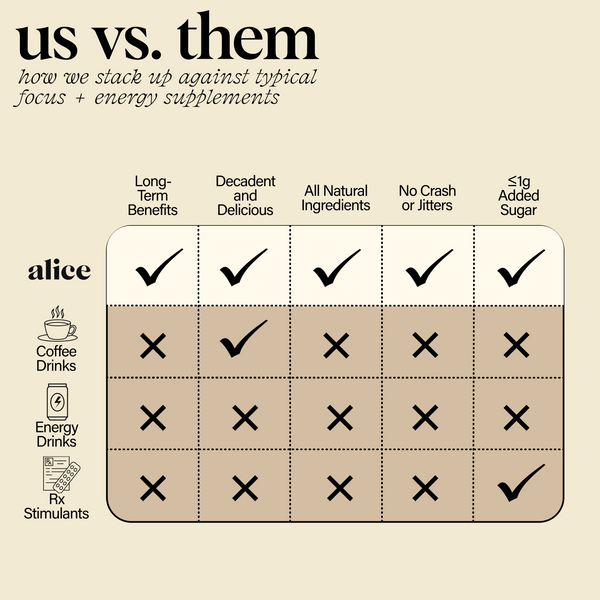
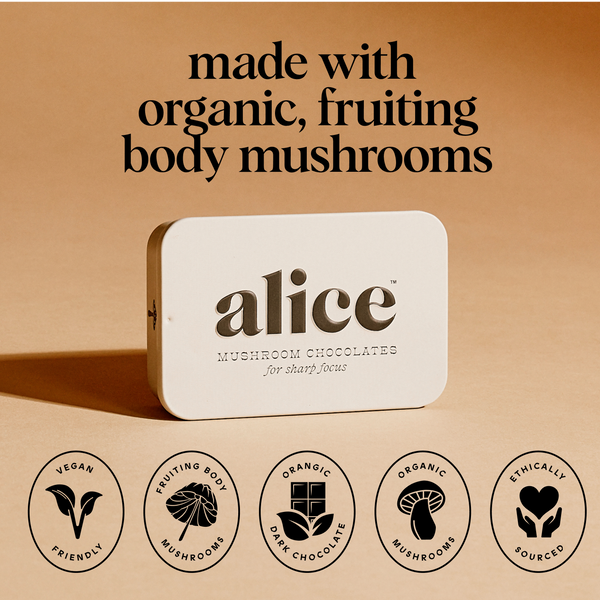
Brainstorm contains fairly traded organic dark chocolate, organic Lion’s Mane and organic Cordyceps from 100% fruiting body mushrooms, guarana and phosphatidylserine. Each square contains 66mg of natural caffeine which is equivalent to ⅔ cup of coffee.
Vegan, gluten-free, dairy-free, and OU-D kosher certified.
Other ingredients: organic semi-sweet 72% dark chocolate (organic unsweetened chocolate, organic cane sugar, organic cocoa butter), coconut oil, cocoa butter
Allergens: Coconut, Soy
Processed on shared equipment and may contain peanuts, tree nuts, milk, eggs, or soy.
Each bite of Brainstorm is formulated to boost cognitive function while also delivering an immediate boost to productivity and energy levels.
The long term benefits come from our functional mushrooms. Lion’s Mane and Cordyceps are felt over time — not instantly. When incorporated into a daily routine, the mushrooms’ nutrients compound in your body and become more effective (and noticeable) with sustained use.
Cordyceps works to boost blood oxygen levels to increase full body stamina, vitality, and energy. Lion’s Mane directly stimulates the nerve growth factor to improve memory, cognition, neuroplasticity, and brain health.
We also know that nothing beats instant gratification. That’s why we’ve added Guarana and Phosphaditylserine to our formula. Guarana is a caffeinated Brazilian berry that provides a smooth flow of energy, and Phosphaditylserine is a fatty acid that improves alertness, reaction time, thinking speed, and productivity throughout the day. Each square contains 66mg of natural caffeine which is equivalent to ⅔ cup of coffee.
The result: an indulgent daily routine that’s good for you and only gets better with time.
What to expect:
- In 30 minutes, feel productive and energized
- In 30 days, notice daily flow states, sustained energy and mental clarity
- After 3 months, enjoy memory support, brain health, and daily energy
One square suits most.
Enjoy one dose of Brainstorm when you’re in need of a clean boost of energy. Those looking for a stronger, more prolonged sensation may enjoy a double dose.
With daily use, Brainstorm supports neural connections in your brain for better productivity over time.
We exclusively use organic, fruiting body Lion’s Mane and Cordyceps mushrooms that are hand-harvested when their medicinal compounds are at peak concentration. Our mushrooms are dried in the sun to soak up Vitamin D before undergoing a pure, starch-free extraction process.
All ingredients are third-party lab tested for safety and stability, and mushrooms are third-party lab tested for potency.
